
APEDA Certified Exporter of Premium Basmati Rice in Punjab
In the global rice trade, trust is not built overnight—it is earned through consistency, quality, and compliance with international standards. Lababdar Foods stands proudly as an APEDA certified exporter, delivering premium basmati rice from Punjab to buyers across the world.

APEDA Certified
FSSAI Compliant
Direct Punjab Sourcing
Global Export Network
Private Label Ready
Competitive Pricing
Introduction
Whether you are a wholesaler, importer, or retail distributor, choosing an APEDA-certified partner ensures you receive rice that meets strict export and food safety benchmarks.
From long grain basmati rice Punjab to premium basmati rice online, our commitment is to provide superior quality products that satisfy both taste and international compliance requirements.
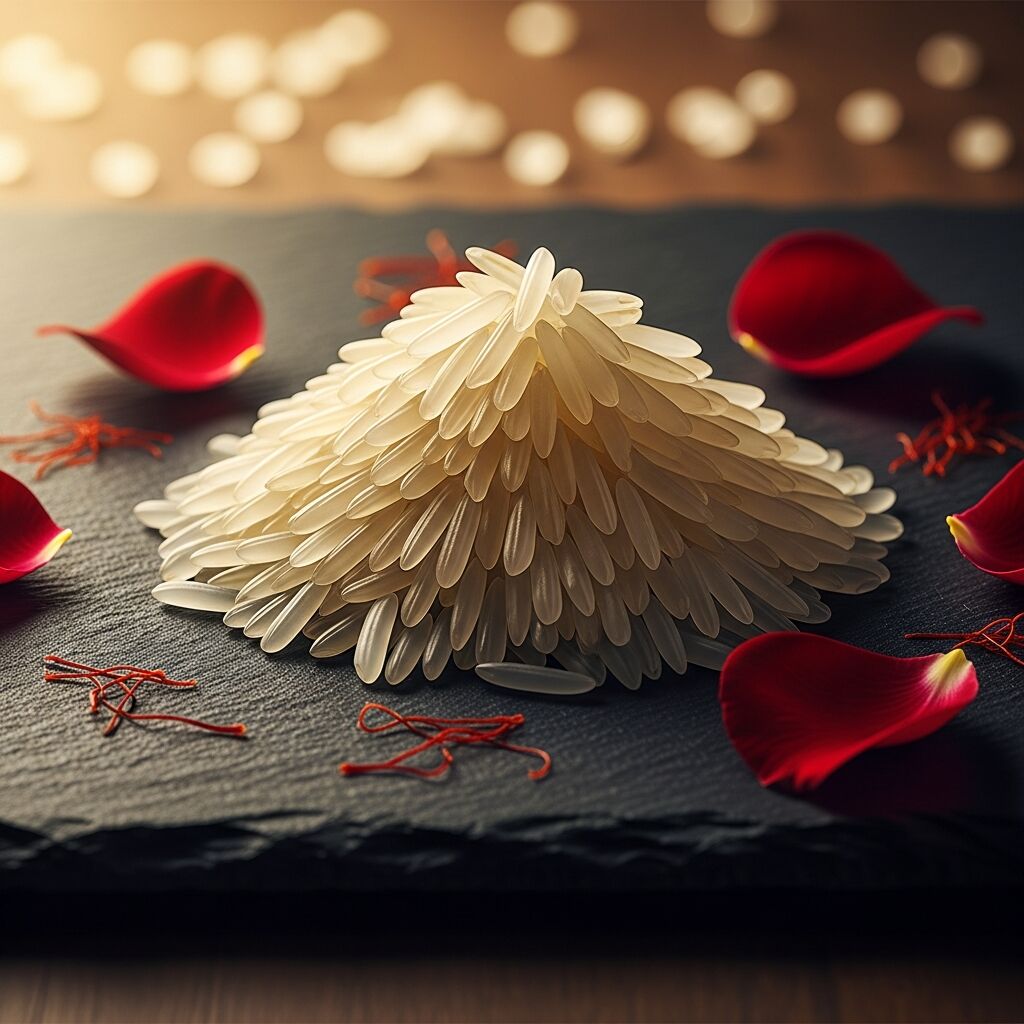
What is APEDA Certification and Why It Matters
APEDA (Agricultural and Processed Food Products Export Development Authority) is a government body in India that regulates and promotes the export of agricultural products. Being an APEDA certified exporter means that Lababdar Foods follows strict quality, hygiene, and export standards.
Key Benefits of APEDA Certification:
- Ensures high-quality agricultural exports
- Maintains international food safety standards
- Builds trust with global buyers and importers
- Guarantees traceability and proper sourcing
For international buyers looking for organic basmati rice in Punjab or premium basmati rice Punjab, APEDA certification is a mark of authenticity and reliability.

About Lababdar Foods
Lababdar Foods is a trusted name in the basmati rice industry, rooted in the fertile lands of Punjab—India’s most renowned basmati-producing region. With years of expertise in sourcing, processing, and exporting, we deliver rice that reflects purity, aroma, and excellence.
Our Strengths:
- Direct sourcing from experienced farmers in Punjab
- Advanced milling and processing techniques
- Strict quality control at every stage
- Compliance with global export standards
We specialize in supplying a wide range of products, including white basmati rice in Punjab, brown basmati rice in Punjab, and premium basmati rice online for global buyers.
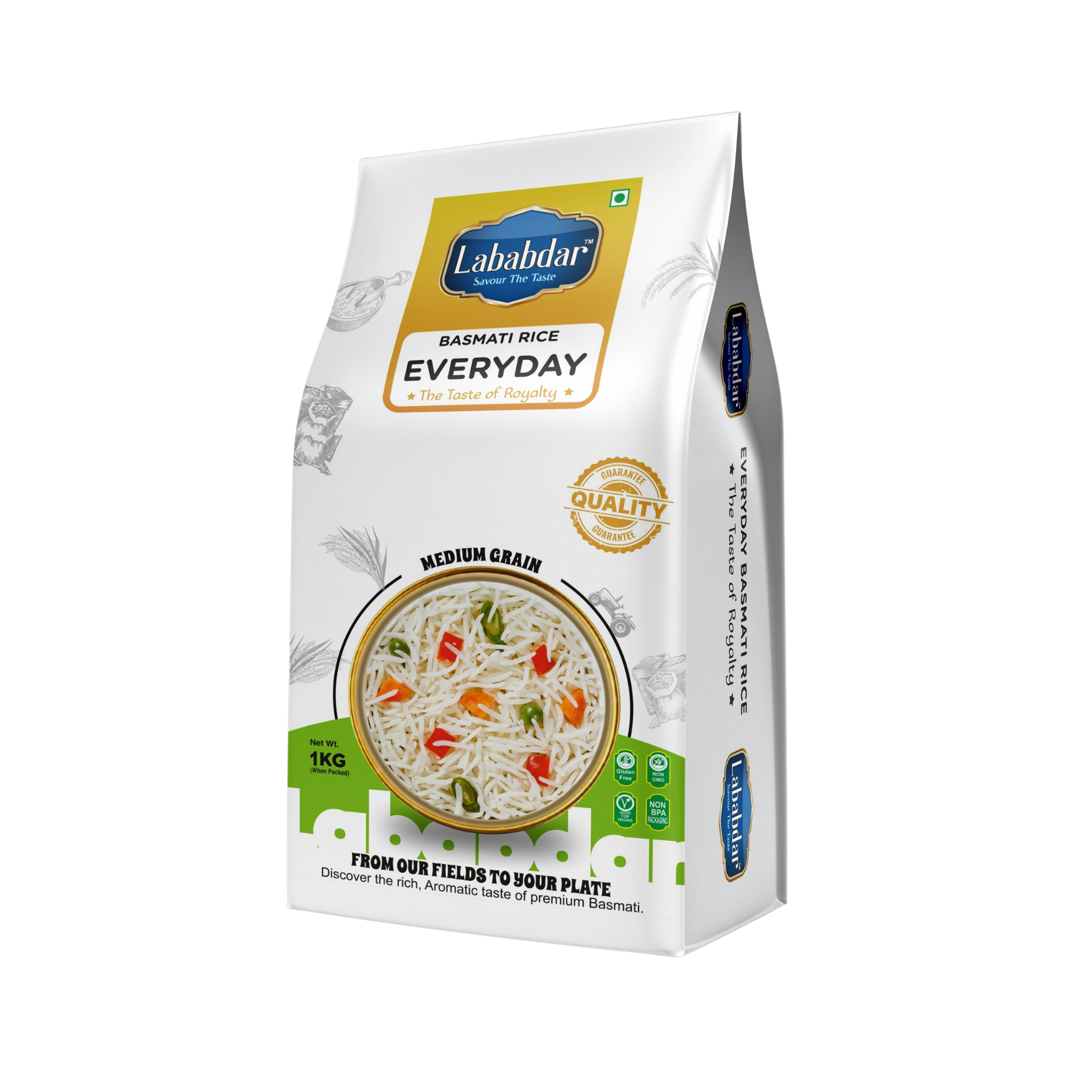
Why APEDA Certification Matters for Buyers
Choosing an APEDA certified exporter like Lababdar Foods offers significant advantages for B2B buyers and importers.
1. Quality Assurance
Every grain undergoes rigorous quality checks to ensure purity, length, aroma, and consistency. This makes us a preferred choice for buyers searching for the best basmati rice for daily use.
2. Export Credibility
APEDA certification enhances our credibility in international markets, making it easier for global clients to trust our supply chain and product quality.
3. Food Safety Standards
We adhere to strict hygiene and safety protocols, ensuring that our rice meets global food safety norms. This is especially important for importers seeking affordable basmati rice India without compromising quality.
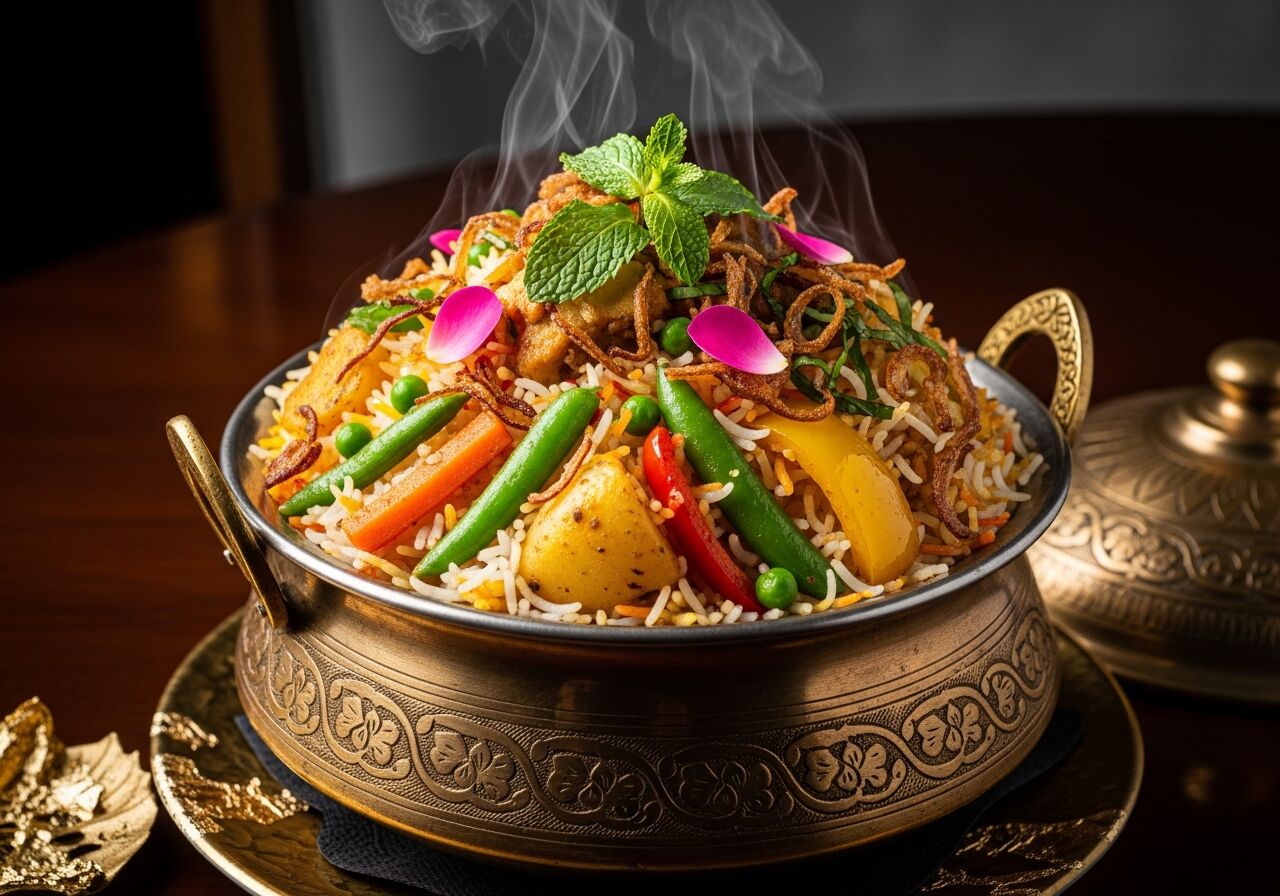
Our Basmati Rice Varieties
At Lababdar Foods, we offer a diverse range of basmati rice varieties tailored to different culinary needs and market demands.
Long Grain Basmati Rice
Known for its extra-long grains and rich aroma, our long grain basmati rice Punjab is ideal for premium dining and export markets.
Golden Sella Basmati Rice
Our golden sella basmati rice Punjab is processed through parboiling, giving it a golden hue and firm texture—perfect for bulk cooking and international cuisines.
White Basmati Rice
Soft, fluffy, and aromatic, white basmati rice in Punjab is widely used in households and restaurants.
Brown Basmati Rice
For health-conscious consumers, brown basmati rice in Punjab offers high fiber content and essential nutrients.
Special Rice for Biryani and Pulao
We supply biryani special rice in Punjab and pulao special rice in Punjab, carefully selected for their aroma, elongation, and cooking performance. If you are searching for the best rice for biryani in Punjab, our products are designed to deliver perfect results every time.
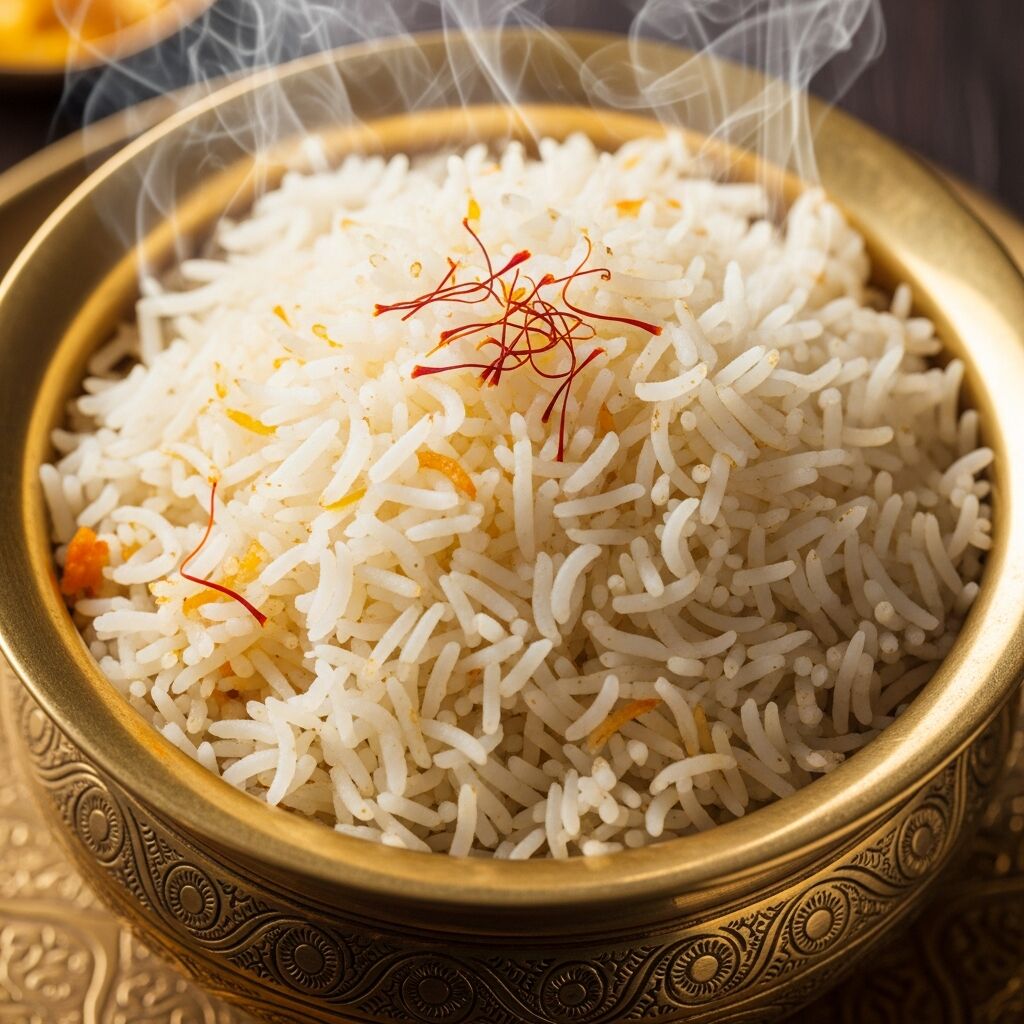
Pricing & Affordability
Lababdar Foods combines premium quality with competitive pricing to meet the needs of diverse buyers.
What We Offer:
- Best basmati rice price in Punjab for bulk orders
- Flexible pricing for wholesalers and importers
- Affordable basmati rice India without compromising quality
- Options like cheap basmati rice 5kg in Punjab for retail distribution
We also support buyers looking to buy basmati rice online in Punjab with reliable supply and consistent quality.
Why Choose Lababdar Foods
Selecting the right exporter is crucial for long-term business success. Here’s why Lababdar Foods stands out:
✔ Trusted APEDA Certified Exporter
We meet all government-regulated export standards, ensuring reliability and trust.
✔ Premium Quality Assurance
Every batch is tested for purity, aroma, and grain length.
✔ Competitive Pricing
We offer premium basmati rice Punjab at market-leading prices.
✔ Strong Supply Chain
Efficient logistics and timely delivery for domestic and international clients.
✔ Customer-Centric Approach
We build long-term relationships by understanding and fulfilling client needs.
Global Export Network & Logistics Excellence
Delivering premium basmati rice is not just about quality—it’s also about ensuring timely and safe delivery across borders. Lababdar Foods has built a strong global export network that guarantees smooth logistics and hassle-free transactions for international buyers.
Our Export Capabilities:
- Worldwide Shipping: Serving clients across the Middle East, Europe, USA, and Asia
- Efficient Logistics Management: Timely dispatch and reliable delivery schedules
- Secure Packaging: Export-grade packaging to maintain freshness and prevent damage
- Documentation Support: Complete assistance with export documentation and compliance
Whether you are sourcing premium basmati rice Punjab in bulk or looking to buy basmati rice online in Punjab for international markets, our logistics expertise ensures your orders reach you safely and on time.
Our commitment to reliability and transparency makes us a preferred partner for global rice importers.
Health Benefits of Basmati Rice
Basmati rice is not just known for its taste but also for its nutritional value.
Key Benefits:
- Easy to digest and light on the stomach
- Low to medium glycemic index
- Naturally aromatic and flavorful
- Contains essential nutrients and fiber (especially brown variants)
For buyers exploring basmati rice benefits Punjab, our products offer both health and taste in every grain.
Private Labeling & Custom Export Solutions
In today’s competitive global market, branding and customization can make all the difference. Lababdar Foods goes beyond standard supply by offering tailored solutions for importers, wholesalers, and retail chains.
What We Offer:
- Private Label Packaging: Customize your brand name, logo, and packaging design
- Flexible Packaging Sizes: From bulk sacks to retail-ready packs (1kg, 5kg, 10kg, 25kg)
- Custom Grain Selection: Choose specific grain length, aroma level, and polish
- Market-Specific Solutions: Products tailored for Middle East, Europe, USA, and Asian markets
Our expertise ensures that whether you are selling premium basmati rice online or distributing affordable basmati rice India in bulk, your product stands out on shelves and in global markets.
By combining APEDA-certified quality with branding flexibility, we help our partners scale faster and build strong market presence.
Call to Action
If you are looking for a reliable APEDA certified exporter of premium basmati rice in Punjab, Lababdar Foods is your trusted partner. Whether you need bulk supply, retail packaging, or customized export solutions, we are here to serve you.
👉 Contact us today to get the best deals on premium basmati rice online
👉 Partner with us for consistent quality and global export standards
Lababdar Foods – Delivering excellence from Punjab to the world.
Frequently Asked Questions
What makes Lababdar Foods an APEDA certified exporter?
Lababdar Foods follows strict export guidelines, quality checks, and food safety standards set by APEDA, ensuring reliable and globally accepted basmati rice supply.
Which is the best basmati rice for biryani in Punjab?
Long grain and golden sella basmati rice are considered the best rice for biryani in Punjab due to their aroma, elongation, and non-sticky texture.
Do you supply affordable basmati rice in India for bulk buyers?
Yes, we offer affordable basmati rice India options for wholesalers and importers without compromising quality.
Can I buy premium basmati rice online in Punjab?
Yes, Lababdar Foods provides options to buy premium basmati rice online with consistent quality and secure packaging.
What is the difference between white and brown basmati rice?
White basmati rice in Punjab is polished and softer, while brown basmati rice in Punjab retains bran, offering more fiber and nutrients.
Do you offer cheap basmati rice 5kg in Punjab for retail?
Yes, we provide cost-effective packaging options including cheap basmati rice 5kg in Punjab for retailers and distributors.
What are the health benefits of basmati rice?
Basmati rice is light, easy to digest, and has a lower glycemic index compared to regular rice. It is ideal for daily consumption.
Do you export organic basmati rice in Punjab?
Yes, we supply organic basmati rice in Punjab that meets international quality and export standards.
How do I get the best basmati rice price in Punjab?
Bulk ordering directly from exporters like Lababdar Foods helps you secure the best basmati rice price in Punjab.
Which basmati rice is best for daily use?
Medium to long grain white basmati rice is the best choice for daily use due to its balance of taste, aroma, and affordability.
Lababdar Foods – Punjab to the World
Get the best deals on premium basmati rice online and partner with us for consistent quality and global export standards.