Basmati Rice — The Authentic Taste of Punjab
Lababdar premium basmati rice from Punjab — long grain, aromatic, organic. Perfect for biryani, pulao and daily Indian cooking.
The Basmati Family
Basmati. The king of rice. Grown in the foothills of the Himalayas and the fertile plains of Punjab, basmati is loved worldwide for its slim, long grains and intoxicating natural aroma. Lababdar brings you authentic basmati straight from the source.
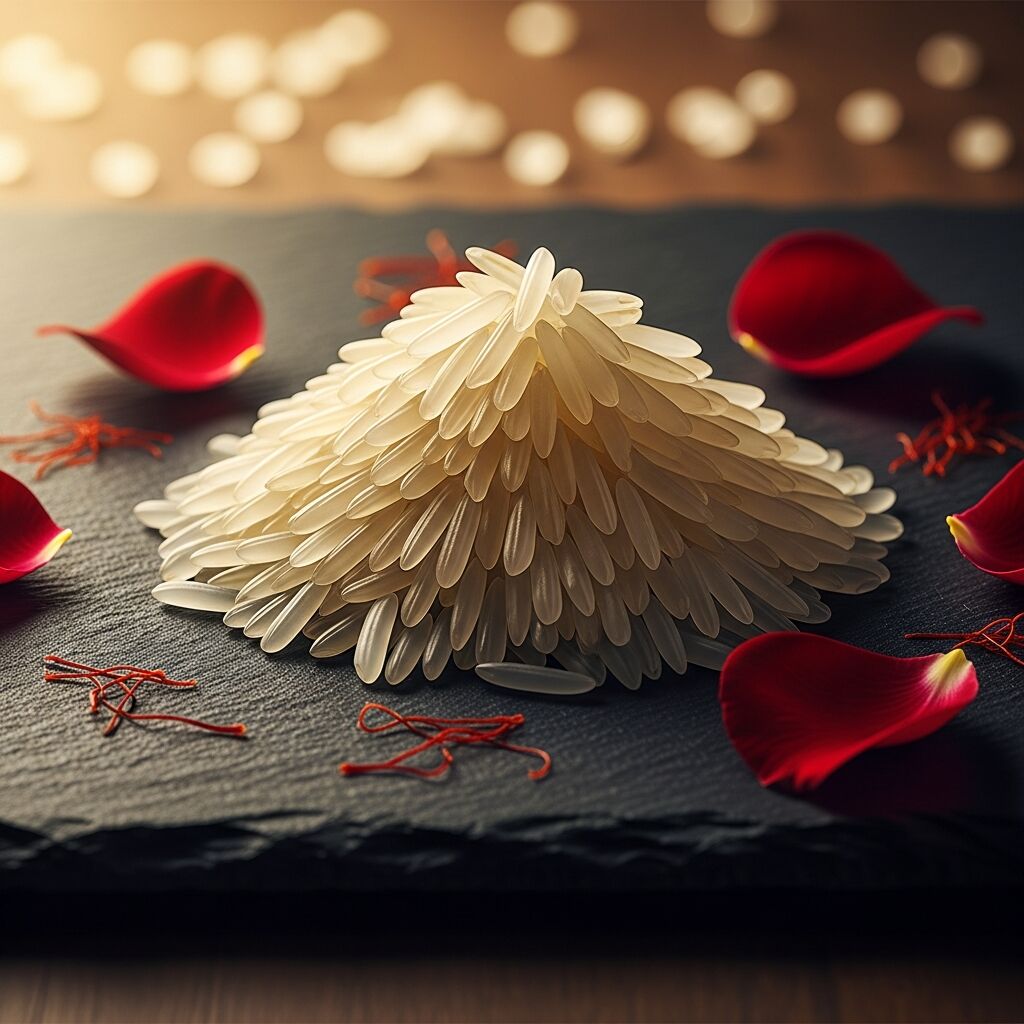
Basmati Rice — The Authentic Punjab Guide: Everything You Need to Know
From what basmati rice is, to how it's grown in Punjab, milled, aged, and cooked to perfection.
What is Basmati Rice?
Basmati rice is one of India's greatest gifts to world cuisine — a long-grain, naturally aromatic, GI-protected rice variety grown only in a specific geographical region of northern India and Pakistan. The very word "basmati" comes from the Sanskrit "vasmati," meaning "fragrant." What sets basmati apart from all other rice: three things — grain length (6.61mm+ minimum), elongation on cooking (1.5–2x), and aroma (from the naturally occurring 2-AP compound, 12x higher than ordinary rice).
Why Punjab Basmati is the Best in the World
Punjab produces the finest basmati rice on Earth because of its unique, irreplaceable terroir: mineral-rich alluvial soil deposited by five rivers, Himalayan snowmelt irrigation water, warm days (35°C) and cool nights (18°C) during grain filling, and 3,000+ years of continuous basmati cultivation tradition. These factors combine to create a basmati paddy with the highest 2-AP aroma concentration, longest grain dimensions, and fullest flavour of any basmati growing region — verified in every export inspection and quality test.
From Paddy to Pack — How Basmati is Processed
At Lababdar's Punjab mill, basmati processing follows a precise sequence: 1. Paddy receiving and moisture testing. 2. Pre-cleaning to remove straw, dust, and non-basmati seeds. 3. Dehusking to remove the inedible outer husk. 4. Whitening/polishing (for white basmati). 5. Gravity separation and destoning. 6. Optical colour sorting (removes discoloured grains). 7. Length grading. 8. Moisture sealing and packing. Each stage removes defects — only the best 60–70% of any paddy lot makes it to a Lababdar premium pack.
The Basmati Aroma — Science Behind the Fragrance
Basmati's world-famous aroma comes from a naturally occurring volatile compound called 2-Acetyl-1-pyrroline (2-AP). Authentic Punjab basmati contains 12–15x more 2-AP than non-basmati rice varieties. The compound is also found in pandan leaf and popcorn — which explains basmati's complex, warm, floral-nutty aroma. Extended aging (18–24 months) allows 2-AP concentrations to peak. Heat from cooking volatilizes 2-AP into the air — which is why a pot of basmati announces itself to the whole house within minutes of starting to cook.
Complete Basmati Range — Which Grade for You?
Lababdar offers the complete basmati family: White Basmati — everyday versatile, 12 min cook. Premium White — special occasions, biryani, events. Golden Sella — caterers, restaurants, pressure cooker safe. Brown Basmati — health-focused, high fibre, wholegrain. Biryani Special — 8mm grains, 24-month aged, for the most demanding biryani. Each grade is grown by contracted Punjab farmers, milled at our own facility, and packed under FSSAI certification with full traceability.
How to Cook Perfect Basmati Rice
The golden method for perfectly fluffy basmati: 1. Rinse 3 times until water runs clear. 2. Soak 20–30 min. 3. Use 1:1.5 water ratio for white; 1:2 for brown or sella. 4. Bring to full boil. 5. Cover, reduce to minimum flame. 6. Cook 12–14 min (white), 25–30 min (brown), 18–20 min (sella). 7. Rest 5 min off heat. 8. Fluff with a fork — never a spoon. Soaking is not optional for best results — it allows the grain to pre-hydrate, reducing cooking time and maximising elongation.
Basmati Rice Dishes — A Complete List
Punjab basmati is the foundation of India's greatest rice dishes: Biryani (Hyderabadi, Lucknowi, Kolkata, Sindhi), Pulao (matar, mushroom, vegetable), Jeera rice, Lemon rice, Curd rice, Khichdi, Dal chawal, Fried rice (Indo-Chinese), Tehri, Yakhni pulao, Zarda (sweet rice), Kheer, Rice with korma, and Risotto-inspired fusion dishes. Basmati's long grain, non-sticky texture, and neutral-yet-fragrant flavour base make it uniquely compatible with the entire spectrum of Indian and global cooking.
GI Tag — The Authenticity Guarantee
Basmati rice holds a Geographical Indication (GI) tag under Indian law — legal protection that restricts the use of the name "basmati" to rice grown only in designated districts of Punjab, Haryana, Himachal Pradesh, Uttarakhand, Delhi, Uttar Pradesh, and Jammu. This means any rice not grown in these regions cannot legally be called basmati in India or in export markets. When you buy Lababdar basmati rice, you are buying rice from the heart of the GI-designated Punjab basmati belt — guaranteed origin, guaranteed authenticity.
Top Benefits of Lababdar Basmati Rice — The Authentic Taste of Punjab
Six powerful reasons families, restaurants and exporters across India trust the Lababdar brand.
GI-Protected Origin
Sourced exclusively from Punjab's traditional basmati belt.
Naturally Aromatic
Naturally high 2-AP fragrance — 12x more than ordinary rice.
Long Slender Grains
7mm+ raw, elongates 1.5-2x when cooked.
Versatile Cooking
Perfect for biryani, pulao, jeera rice, fried rice, kheer.
Aged for Aroma
12-24 months aging deepens the natural fragrance.
FSSAI & APEDA Certified
Full quality and export certifications in place.
Inside Basmati Rice — The Authentic Taste of Punjab
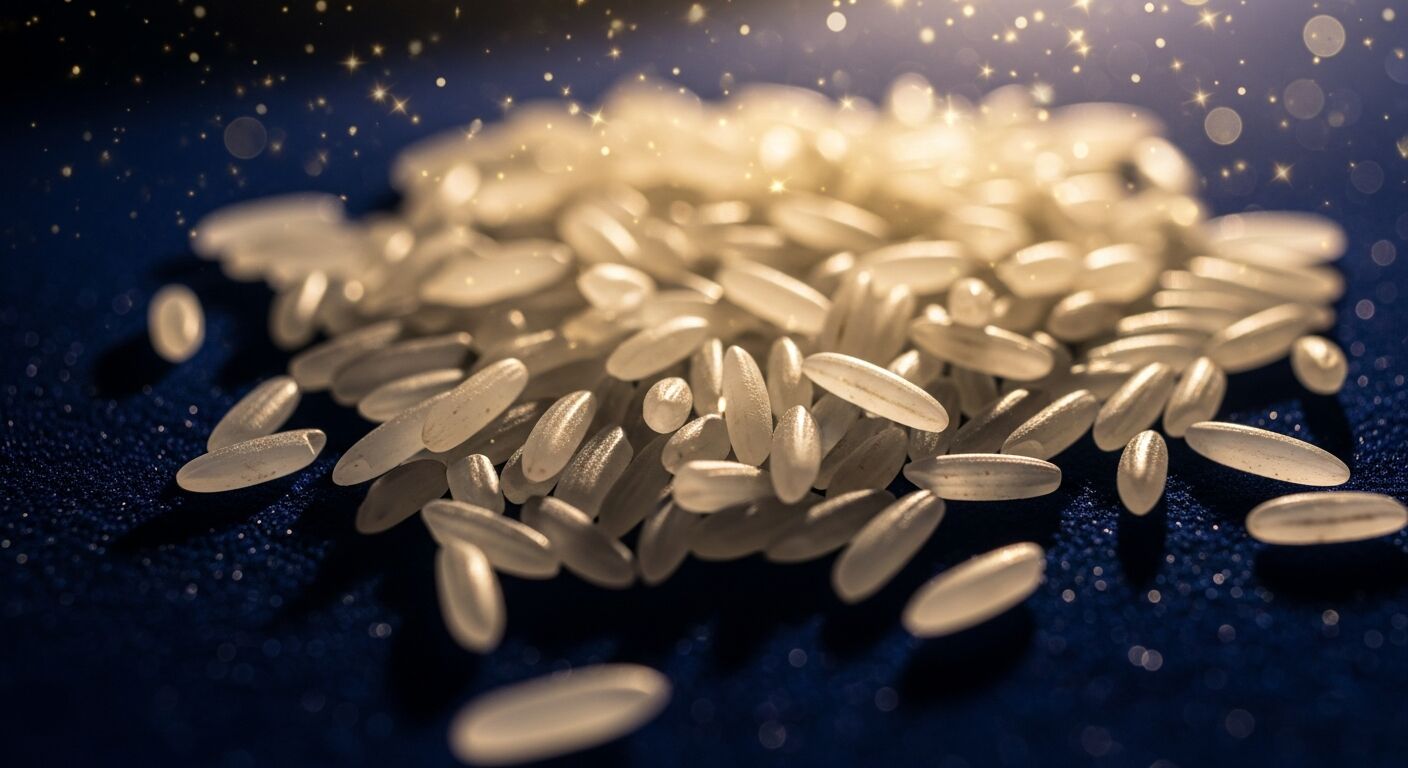
What Makes Basmati Rice Special
Basmati has a unique aromatic compound (2-acetyl-1-pyrroline) that creates its signature fragrance. Combined with its long grain length, basmati is unmatched in aroma and texture.
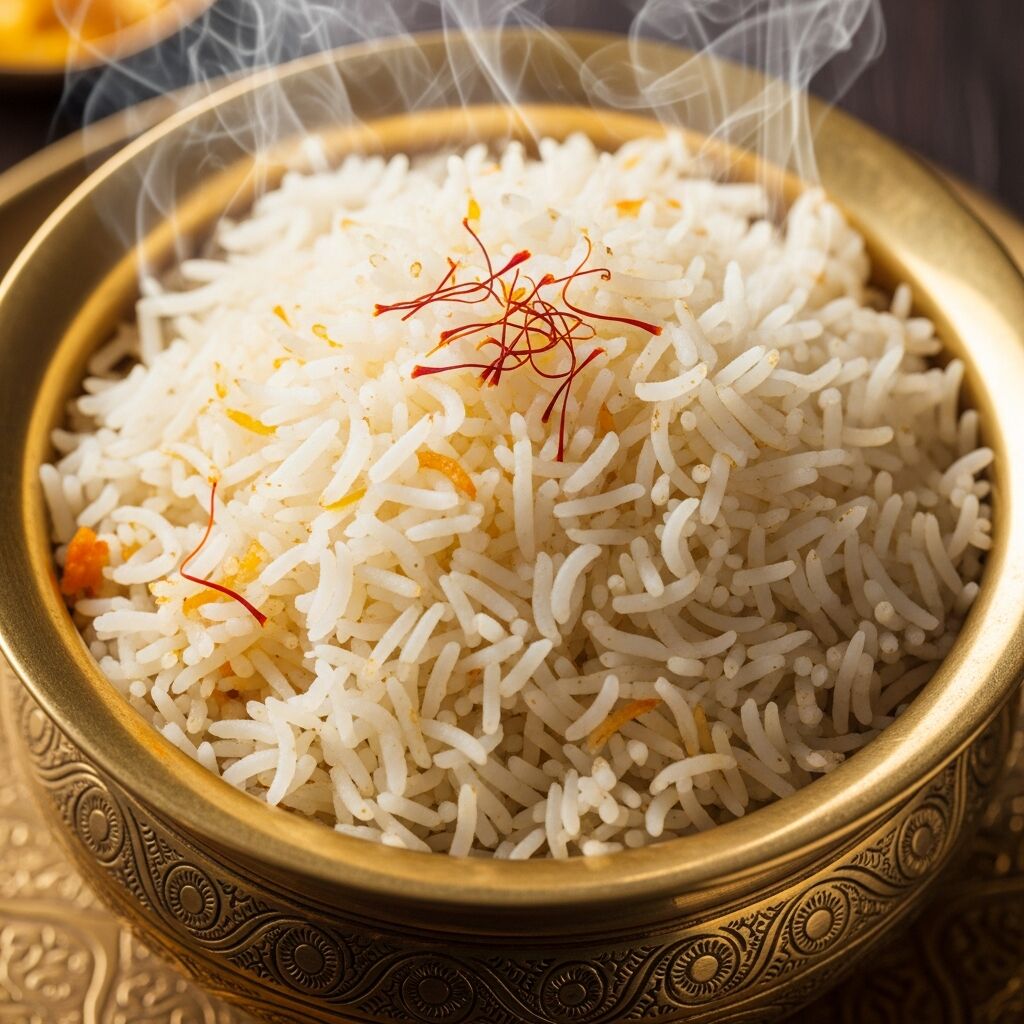
Grown Only in This Region
True basmati is geographically protected — grown only in the Indo-Gangetic plains of India and Pakistan. Lababdar sources from select Punjab farms for the best quality.
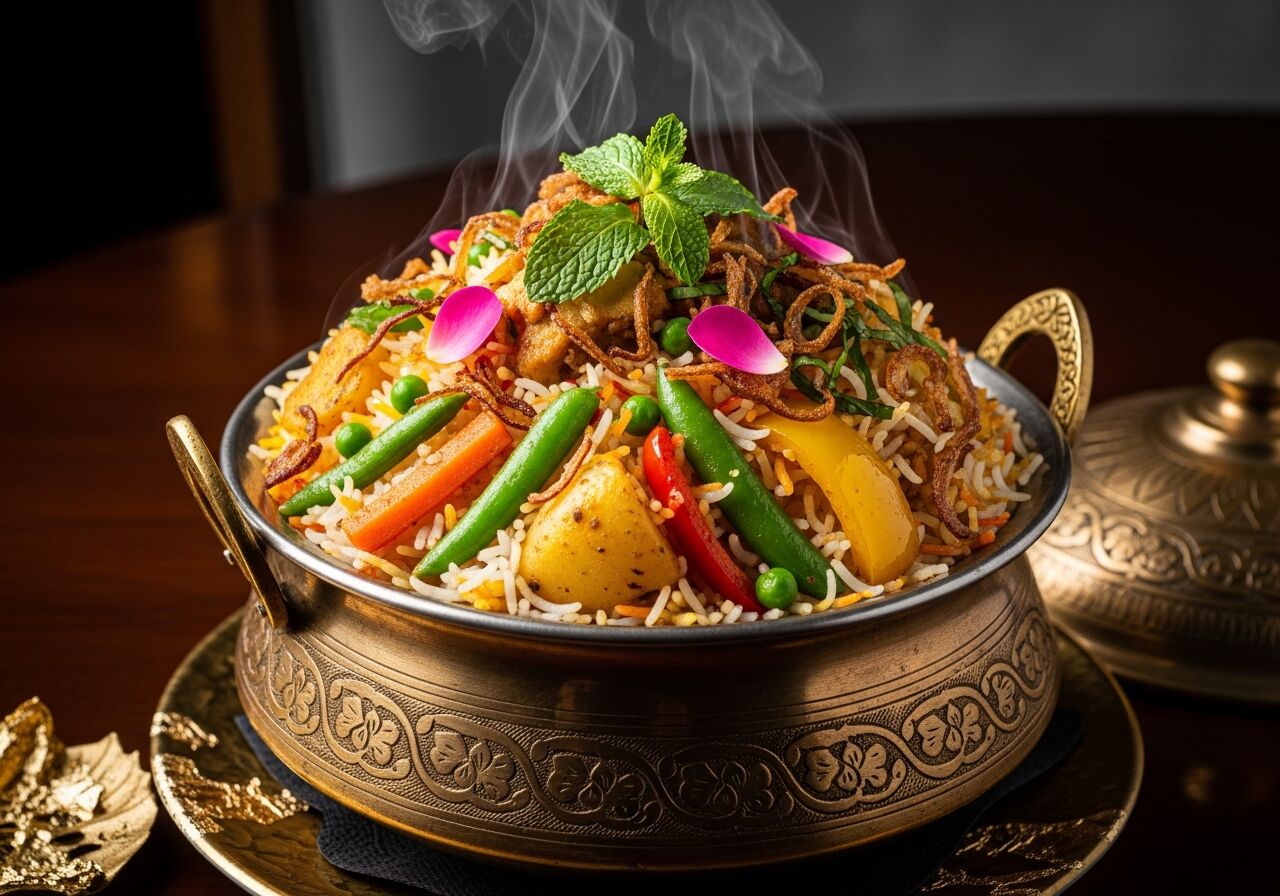
Aged for Aroma
Like fine wine, basmati gets better with age. Our basmati is carefully aged for 12-24 months to deepen the aroma and improve cooking texture.
A Variety for Every Need
Long grain, organic, golden sella, white, brown, biryani special — Lababdar has the right basmati for every kitchen and every dish.
Geographically Protected
True basmati can only be grown in the Indo-Gangetic plains of India and Pakistan — it's a GI-protected variety like Champagne.
Discover the full range of Lababdar basmati rice — from everyday Daily Use to wedding-grade Biryani Special.
The Basmati Family
1121 Basmati
The longest grain — extreme elongation on cooking.
Pusa Basmati
Aromatic everyday variety.
Traditional Basmati
Heritage grain with classic aroma.
Sella
Parboiled for firmness & nutrition.
Brown Basmati
Whole grain version with bran intact.
Best Ways to Use Basmati Rice — The Authentic Taste of Punjab
Daily Indian Meals
Dal-chawal, rajma, kadhi, jeera rice — basmati makes everything better.
Festival & Wedding Food
Biryani, yakhni pulao, kheer — the ceremonial rice of India.
Global Cuisine
Persian polo, Middle Eastern kabsa, Spanish paella variants — all use basmati.
From Our Farms to Your Plate
I have been buying basmati for my restaurant for 18 years. Lababdar consistently delivers genuine Punjab basmati with the right aroma, the right grain length, and honest pricing. They are our long-term partner.
— Restaurateur Rakesh Kapoor, Delhi
Frequently Asked Questions About Basmati Rice — The Authentic Taste of Punjab
What is basmati rice?
A long-grain aromatic rice grown in northern India and Pakistan.
What makes basmati different?
Its long slim grains, natural aroma and ability to elongate during cooking.
Is all rice basmati?
No — true basmati is a specific aromatic variety from a specific region.
Best variety for biryani?
Our Biryani Special variety is ideal — extra long, aged grains.
What is the difference between basmati and regular rice?
Basmati is a specific GI-protected long-grain rice variety with naturally high aroma compounds (2-AP) and grains that elongate dramatically on cooking. Regular rice varieties are shorter, less aromatic and don't elongate the same way.
Where does Lababdar basmati rice come from?
Our basmati rice comes exclusively from three traditional basmati-growing belts in Punjab, India — the Himalayan-foothill alluvial plains famous for producing the world's most aromatic basmati paddy.
How can I tell genuine basmati from fake basmati?
Genuine basmati grains are long (7mm+), slender, light brown to ivory in colour, and release a strong popcorn-like aroma when cooked. Cooked grains elongate to nearly twice their raw length and stay separate, never sticky.
Which Lababdar basmati grade is right for me?
For everyday meals choose Daily Use; for special biryanis use Premium or Biryani Special; for catering and large-batch cooking pick Golden Sella; for healthy meals choose Brown Basmati. Each grade is engineered for its specific use case.
Ready to Order Basmati Rice — The Authentic Taste of Punjab?
Get the best price on premium Lababdar basmati rice — direct from our Punjab mill. Wholesale, retail and export enquiries welcome.
Explore More Premium Rice Categories
Browse all our specialised rice pages for variety, recipe and pricing details.
- Long Grain Basmati Rice in Punjab
- Organic Basmati Rice — Pure, Natural & Chemical Free
- Premium Basmati Rice in Punjab — Long Grain & Organic Quality
- Basmati Rice 5kg — Premium Family Pack
- Basmati Rice 10kg — Bulk Value Pack
- Biryani Special Basmati Rice — Made for Royal Biryani
- Golden Sella Basmati Rice — Firm, Aromatic, Premium
- White Basmati Rice — Pure, Polished, Premium
- Brown Basmati Rice — High Fibre Whole Grain
- Daily Use Basmati Rice — Everyday Aroma & Value
- Premium Export Quality Basmati Rice — Trusted Worldwide
- Affordable Basmati Rice Packs — Best Price in Punjab
- Brown Rice — Whole Grain, High Fibre, Naturally Healthy
- Organic Rice — Pure, Natural, Sustainably Farmed
- Fried Rice Made Better — With Lababdar Basmati
- Veg Biryani — Royal, Aromatic, Restaurant-Style at Home
- Chicken Fried Rice — Restaurant-Style at Home
- Basmati Rice Price in Punjab — Best Rates From Lababdar
- Rice Mill in Punjab — Modern Processing by Lababdar Foods
- Golden Rice — Lababdar Golden Sella Basmati
- Brown Rice Price in Punjab — Best Rates Lababdar
- Biryani Rice — The Long-Grain Basmati Built for Biryani