White Basmati Rice — Pure, Polished, Premium
Buy Lababdar white basmati rice — snow-white grains, soft texture, premium aroma. Perfect for everyday meals, biryani and pulao.
How We Polish White Basmati
Lababdar White Basmati Rice is gently polished to a pristine ivory finish, revealing slim, aromatic grains that cook fluffy and separate. The everyday favourite of Indian kitchens — refined, versatile and dependable.
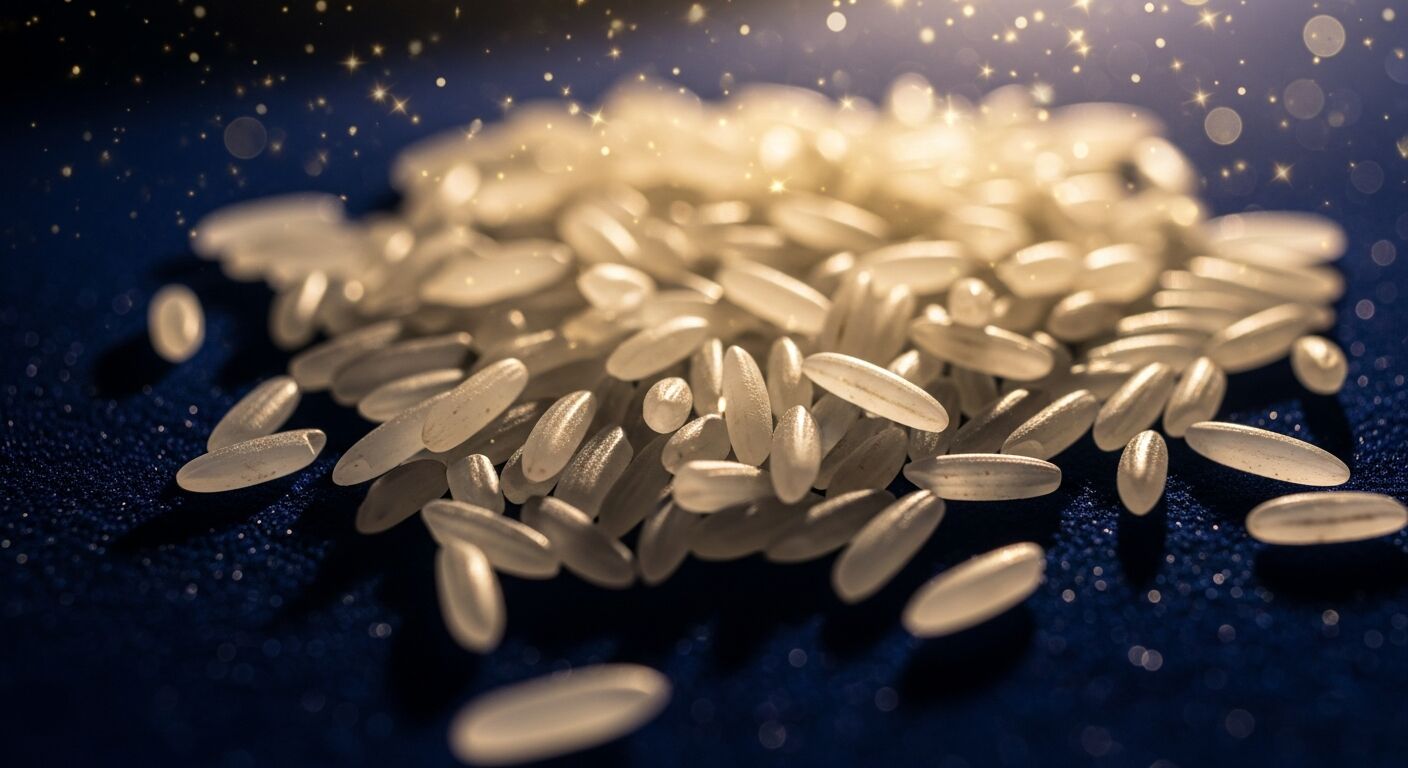
White Basmati Rice from Punjab — The Complete Knowledge Guide
Everything you need to know about choosing, cooking, and enjoying premium white basmati rice from Punjab.
What is White Basmati Rice?
White basmati rice is the classic, fully milled version of the world-famous basmati variety — long, slender, ivory-white grains that elongate beautifully when cooked and release basmati's unmistakable floral aroma. Lababdar White Basmati is sourced from premium Punjab paddy, carefully husked, gently polished using silica technology (never chemical bleach), and laser-sorted to remove every chalky or discoloured grain. The result is a beautifully uniform, pure white basmati that looks as good as it tastes.
The Milling Process — How White Basmati is Made
White basmati rice requires exceptional milling precision. After husk removal, the bran layer is separated using soft abrasive rollers calibrated to a fine tolerance. The grains are polished with silica (a natural mineral) — never talc or chemical brighteners. Optical sorters then scan every single grain for colour consistency. This multi-stage process is why Lababdar white basmati contains visibly cleaner, brighter grains than ordinary brands — no chalky, half-milled, or discoloured grains ever make it into your pack.
Grain Length and Elongation
Our white basmati rice grains measure 7.5mm+ in raw length — certified extra-long grain basmati. When properly cooked, these grains elongate to nearly 15mm — almost double their dry length — producing the long, slender, individual grains that basmati is famous for. This dramatic elongation without width increase is unique to authentic Punjab basmati and is impossible to replicate with shorter-grain varieties, regardless of cooking technique.
Cooking White Basmati Rice Perfectly
White basmati cooks faster than golden sella or brown basmati: 1. Rinse 3 times until water runs clear. 2. Soak 20 minutes (reduces cook time, improves elongation). 3. Use 1:1.5 rice-to-water ratio. 4. Bring to boil, reduce to lowest flame, cover tightly. 5. Cook 12–14 minutes — no lifting the lid. 6. Rest 5 minutes off heat before fluffing with a fork. The result is perfectly fluffy, separate grains with full basmati aroma — every single time.
White Basmati for Every Rice Dish
White basmati is the most versatile member of the basmati family — faster to cook than sella varieties, and more aromatic than brown rice. It works perfectly in: biryani (for home cooks who don't need par-boiling), pulao and jeera rice, dal chawal, lemon rice, khichdi, steam rice with curries, and even sweet kheer. It absorbs spice flavours readily, stays non-sticky when cooked correctly, and produces that beautiful, restaurant-quality plate appearance that makes every meal look and taste special.
Nutrition Profile of White Basmati
One cooked cup of premium white basmati rice provides approximately 200 calories, 4g protein, 45g carbohydrates (complex), and 0.5g fat. White basmati has a moderate glycemic index of ~56 — lower than regular white rice — because of its naturally high amylose content, which slows starch digestion. It is gluten-free, easy to digest, and a reliable energy source for active families. When paired with dal, vegetables, or yogurt, it forms a nutritionally complete, balanced Indian meal.
Aroma — Punjab's Gift to White Basmati
The aroma of white basmati rice from Punjab comes from naturally high concentrations of 2-Acetyl-1-pyrroline (2-AP) — the fragrance compound that gives basmati its distinctive floral, popcorn-like scent. Punjab's unique terroir — Himalayan mineral water, warm days, cool nights — is the reason Punjab basmati contains 3–5x more 2-AP than basmati grown elsewhere. At Lababdar, we age our white basmati 18 months to allow 2-AP concentrations to reach their peak before milling — maximising the aroma in every pack.
White vs Brown vs Golden Sella Basmati
White basmati is best for: daily cooking, quick-cook meals (12–14 min), maximum aroma, and fluffy texture. Brown basmati is best for: health-focused eating, higher fibre, lower GI (~50), and wholegrain nutrition — though it takes 25–30 minutes to cook. Golden sella is best for: large-scale restaurant cooking, biryani made in bulk, and pressure cooking — as the parboiling makes grains extra firm and resistant to overcooking. Choose white basmati for everyday versatility and authentic Punjab basmati flavour at its most accessible.
Top Benefits of Lababdar White Basmati Rice — Pure, Polished, Premium
Six powerful reasons families, restaurants and exporters across India trust the Lababdar brand.
Pure White Appearance
Laser-sorted to remove every chalky or discoloured grain.
Chemical-Free Polishing
Polished with natural silica — no chemicals or bleaches.
Cooks in 12-15 Min
Quick cooking compared to brown or sella variants.
Versatile Use
Perfect for biryani, pulao, jeera rice, fried rice and kheer.
Fluffy Texture
Long, separate grains every time — never sticky or mushy.
FSSAI Certified
Fully certified, batch-tested and traceable from farm to pack.
Inside White Basmati Rice — Pure, Polished, Premium
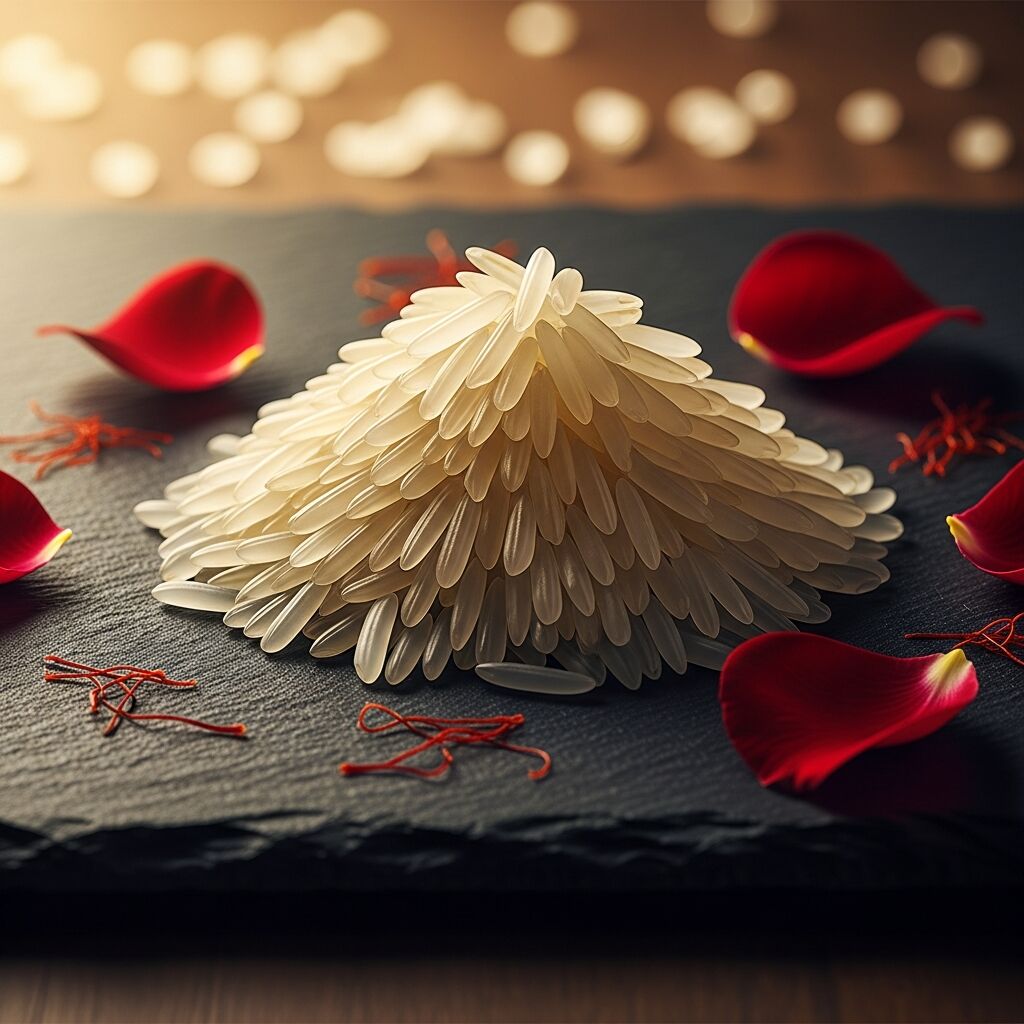
Bright White, Naturally Aromatic
Our gentle polishing technique preserves the natural fragrance of basmati while giving the grains a beautiful uniform white appearance.
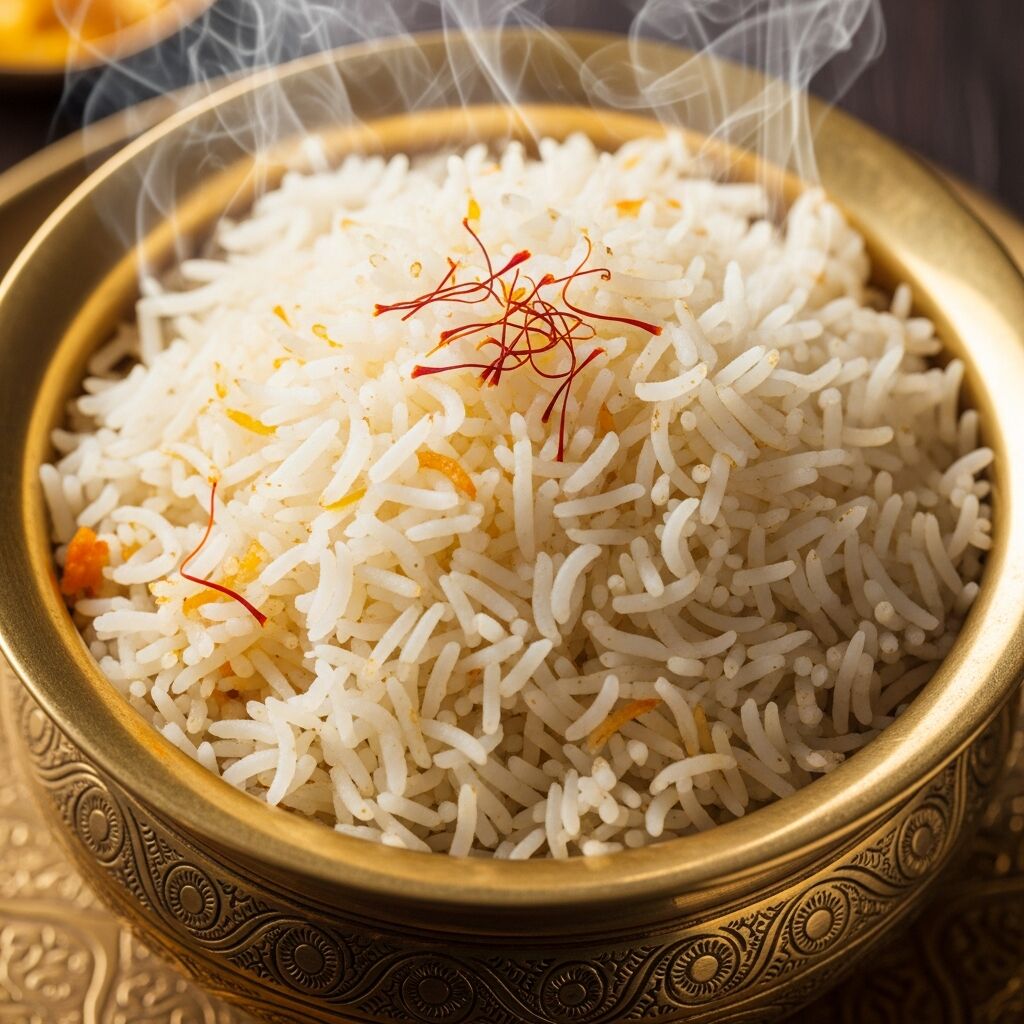
Perfect for Everyday Meals
From simple steamed rice with dal to weekend pulao and weeknight biryani — white basmati is the most versatile rice in your kitchen.
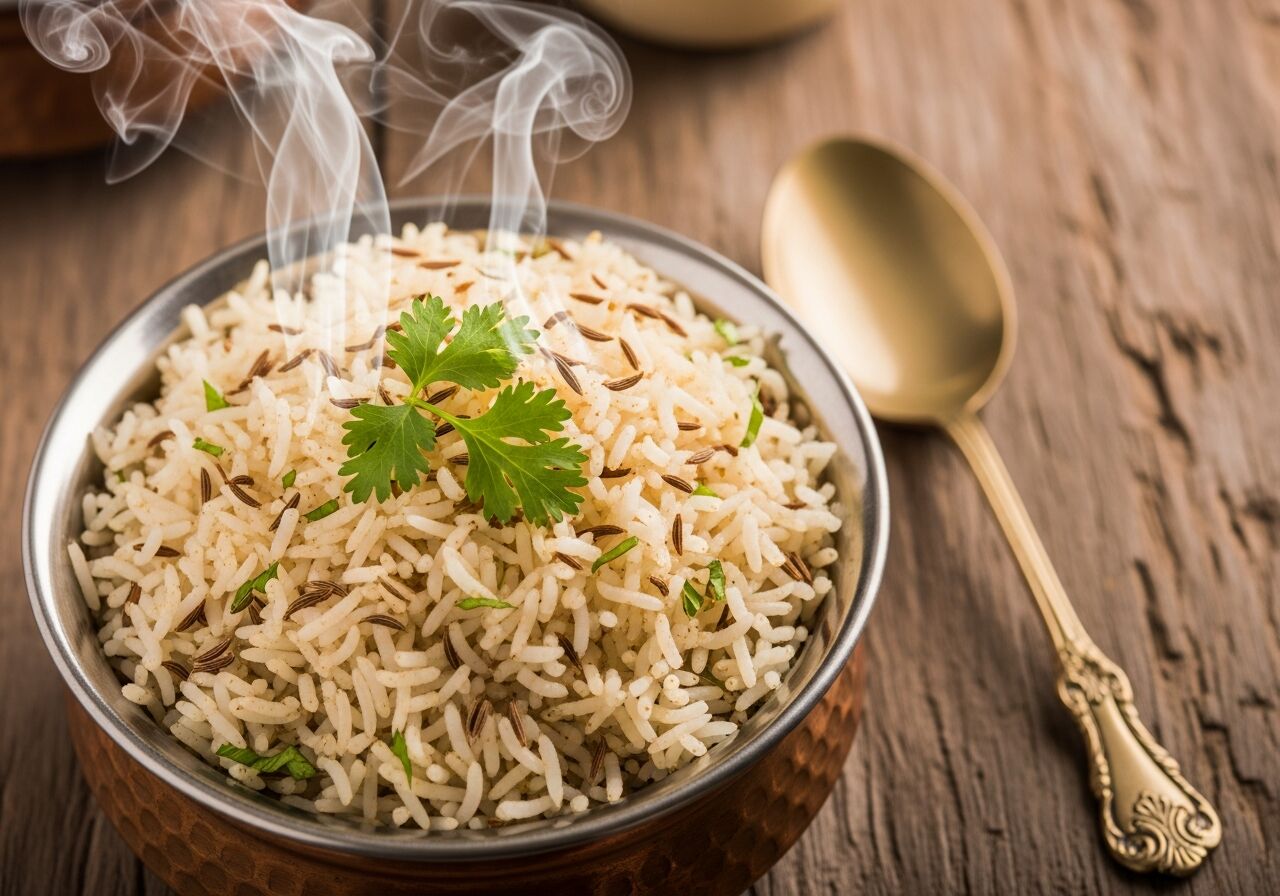
Cooks Fluffy, Stays Separate
Long, slim grains that elongate beautifully and stay separate. No clumping, no stickiness — just perfectly fluffy rice every time.
Quality You Can See
Look at the grains: uniform length, no broken pieces, no dark specks. That's the visible proof of Lababdar quality control.
Pure White Promise
Lababdar white basmati is gently polished using silica technology — no chemicals, no bleaches, just naturally bright grains.
Stock your pantry with the cleanest, brightest white basmati — try Lababdar today.
How We Polish White Basmati
Husking
Outer husk gently removed from the paddy.
Bran Removal
Bran layer separated using soft abrasive rollers.
Silica Polish
Polished naturally with silica — no chemicals.
Laser Sort
Optical sorter removes every dark grain.
Final QC
Inspected by hand for that pure ivory finish.
Best Ways to Use White Basmati Rice — Pure, Polished, Premium
Daily Dal Chawal
The everyday classic — fluffy white basmati with a comforting yellow dal.
Quick Biryani
Faster than sella — perfect for weeknight chicken or vegetable biryani.
Sweet Kheer
Long basmati grains give kheer that beautiful texture without breaking.
From Our Farms to Your Plate
I cook for our extended family of 12 people every day. Lababdar white basmati is my one-stop choice — it never breaks, never goes mushy, and the kids love how soft and aromatic it turns out.
— Mrs. Kiran Devi, Ludhiana
Frequently Asked Questions About White Basmati Rice — Pure, Polished, Premium
Is white basmati rice polished?
Yes, but gently — to keep the natural aroma intact.
Is white basmati rice good for daily use?
Yes, it's the most versatile basmati for everyday cooking.
What's the difference from sella?
Sella is parboiled and golden in colour; white basmati is polished and ivory white.
Available pack sizes?
1kg, 5kg, 10kg, 25kg and 30kg.
Is your white basmati rice bleached or chemically treated?
Never — Lababdar white basmati rice is polished using natural silica technology and laser-sorted for colour. We do not use any chemical bleaches, talc or artificial whiteners at any stage.
How quickly does white basmati cook compared to brown or sella?
White basmati cooks in just 12-15 minutes after a short soak, compared to 35-40 minutes for brown basmati and 18-22 minutes for sella. It is the fastest-cooking member of the basmati family.
What is the right water-to-rice ratio for cooking white basmati?
Use a 1:1.75 ratio — one cup of rice to 1.75 cups of water. Always rinse and soak for 20-30 minutes before cooking for the longest, fluffiest grains.
Is white basmati less nutritious than brown basmati?
White basmati does have less fibre and slightly fewer B-vitamins than brown, but it is easier to digest, gentler on the stomach, and still contains good amounts of selenium, magnesium and protein.
Ready to Order White Basmati Rice — Pure, Polished, Premium?
Get the best price on premium Lababdar basmati rice — direct from our Punjab mill. Wholesale, retail and export enquiries welcome.
Explore More Premium Rice Categories
Browse all our specialised rice pages for variety, recipe and pricing details.
- Long Grain Basmati Rice in Punjab
- Organic Basmati Rice — Pure, Natural & Chemical Free
- Premium Basmati Rice in Punjab — Long Grain & Organic Quality
- Basmati Rice 5kg — Premium Family Pack
- Basmati Rice 10kg — Bulk Value Pack
- Biryani Special Basmati Rice — Made for Royal Biryani
- Golden Sella Basmati Rice — Firm, Aromatic, Premium
- Brown Basmati Rice — High Fibre Whole Grain
- Daily Use Basmati Rice — Everyday Aroma & Value
- Premium Export Quality Basmati Rice — Trusted Worldwide
- Affordable Basmati Rice Packs — Best Price in Punjab
- Brown Rice — Whole Grain, High Fibre, Naturally Healthy
- Basmati Rice — The Authentic Taste of Punjab
- Organic Rice — Pure, Natural, Sustainably Farmed
- Fried Rice Made Better — With Lababdar Basmati
- Veg Biryani — Royal, Aromatic, Restaurant-Style at Home
- Chicken Fried Rice — Restaurant-Style at Home
- Basmati Rice Price in Punjab — Best Rates From Lababdar
- Rice Mill in Punjab — Modern Processing by Lababdar Foods
- Golden Rice — Lababdar Golden Sella Basmati
- Brown Rice Price in Punjab — Best Rates Lababdar
- Biryani Rice — The Long-Grain Basmati Built for Biryani